If you’re handling land matters in Tamil Nadu, “patta chitta online” is a phrase you’ll likely search often. Whether you’re buying a plot, applying for a loan, verifying a seller’s claims, or checking land details, accessing patta chitta online makes things quick and clear. This guide walks you through everything in a friendly, practical way: what patta and chitta are, why the online version is a game-changer, how to check and download it step-by-step, what documents you’ll need for banks or registrars, common hiccups and fixes, and tips to keep your land deals smooth and secure.
What Does “Patta Chitta Online” Mean?
At its core, patta chitta online is about grabbing Tamil Nadu’s official land revenue record—called the patta chitta—through the state’s digital portal. The patta shows who the government recognizes as the land’s owner, while the chitta details the land’s type, size, and tax info. Accessing this online lets you view or download an official extract, perfect for verifying ownership, applying for loans, or sorting out ownership changes. It’s a huge time-saver compared to trekking to a taluk office for every question.
Why Checking Patta Chitta Online Is Your First Step
Before making any big property moves—buying, mortgaging, or building—checking patta chitta online is a must. It gives you instant access to key details: the owner’s name, survey number, land size, type (wet or dry), and patta number. These help you confirm the seller’s identity, match survey details, and spot issues like name mismatches or outdated records. Doing this early can save you from costly surprises during registration and protect you from fraud.
How Tamil Nadu Made Land Records Digital
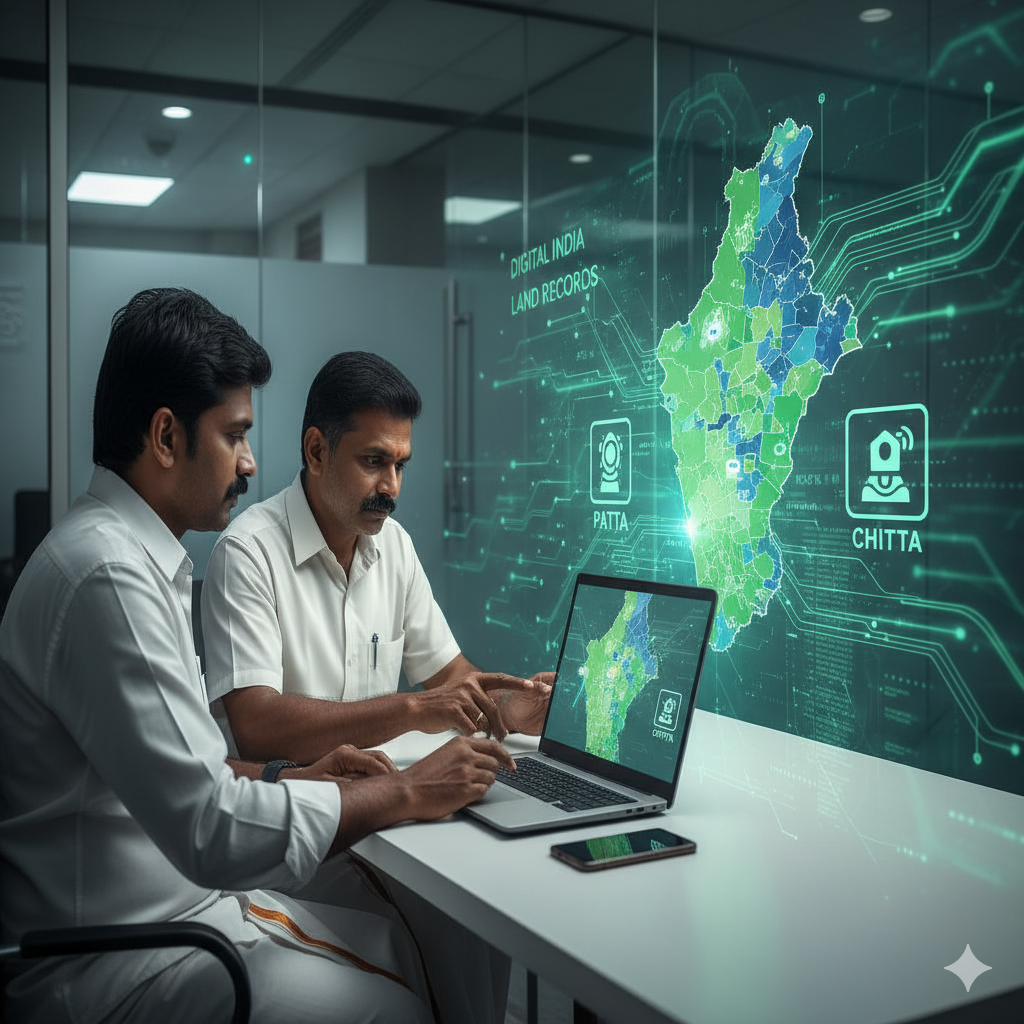
Tamil Nadu’s push to digitize land records is what makes patta chitta online possible. Old paper files from village offices have been scanned, organized, and loaded onto a searchable portal. Now, you can look up records by district, taluk, village, survey number, or patta number. This isn’t just convenient—it’s a safeguard against fake documents, as an official online extract is much harder to forge than a photocopy.
How to Get Patta Chitta: Step-by-Step
Here’s a simple guide to pulling up a patta chitta online for a Tamil Nadu property:
- Visit Tamil Nadu’s official land records e-services portal.
- Click on the “Patta & FMB / Chitta / TSLR Extract” option.
- Select your district, taluk, and village from the dropdowns—get these right!
- Choose how you want to search: by survey number, patta number, or door/house number.
- Enter the survey number and subdivision (or patta number) and hit submit.
- Check the details on screen: owner name, survey number, land size, and classification.
- Need a hard copy for banks or registration? Download or print the extract from the portal, or visit the taluk office for a stamped version.
If the search doesn’t work, try other identifiers like the patta or door number, or head to the Village Administrative Officer (VAO) or taluk office for help. The portal’s look might change, but this process stays pretty consistent.
What You’ll See in a Patta Chitta Online Extract
When you pull up a patta chitta online, here’s what’s typically included:
- Owner’s Name and Family Details: The pattadar (owner) and their father or spouse’s name.
- Patta Number and Date: The record’s official ID and when it was issued.
- Survey Number and Subdivision: Unique codes to identify the plot.
- Land Size: Measured in acres, hectares, or square meters.
- Land Type: Wetland (nanjai), dryland (punjai), agricultural, or non-agricultural.
- Tax and Remarks: Revenue details and any special notes.
Knowing these fields helps you double-check against the sale deed or Field Measurement Book (FMB) to ensure everything matches up.
Patta Chitta Online vs. Physical Patta: What’s the Difference?
An online patta chitta extract from the official portal is solid for most purposes—banks and government offices usually accept it for initial checks. But in court, a registered sale deed is the gold standard for proving ownership. Checking patta chitta online before signing a deal ensures the revenue records match the sale deed. If they don’t, you’ll need to fix things through mutation or legal advice before moving forward.
Updating Ownership: Mutation and Patta Chitta Online
Buying land doesn’t automatically update the patta chitta. You’ll need to apply for a mutation to get your name on the record. This usually involves submitting the registered sale deed, proof of stamp duty payment, ID documents, and tax receipts to the revenue office. Once processed, the updated patta shows up in online searches. Keep your application number and receipts handy in case the process hits a snag.
Documents to Have Ready for Patta Chitta Online
When using patta chitta online for transactions, keep these documents nearby:
- Registered sale deed or conveyance document.
- A copy of the current patta chitta, if you have it.
- Survey sketch or FMB for location details.
- Encumbrance Certificate (EC) for the relevant time period.
- ID and address proof (Aadhaar, passport, or voter ID).
Having these ready makes verification, mutation, and bank processes much smoother.
Using Patta Chitta Online When Buying Land
For buyers, patta chitta online is a key tool for due diligence. Use it to confirm the seller’s name, survey number, and land size match the sale deed. Look for any remarks about lawsuits or government claims. Always pair the online check with an Encumbrance Certificate from the registration office. If something doesn’t add up—like a different owner or wrong subdivision—hold off and sort it out before paying or registering.
Banks, Loans, and Patta Chitta Online
Banks often ask for a patta chitta online extract or a certified taluk office copy as part of their property checks for loans. They’ll also want the sale deed and an Encumbrance Certificate. For agricultural land, banks look at the land’s classification (wet or dry) since it affects loan terms or conversion rules. A fresh, clean patta chitta online extract can speed up your loan approval.
Fixing Patta Chitta Errors
Sometimes, the patta chitta online search comes up empty or shows wrong info. This can happen due to renumbered surveys, incomplete digitization, or pending field checks. If you hit a wall, visit the taluk office or VAO with your sale deed or tax receipts. They can help find the right survey number or kickstart a field verification to fix the online record.
Connecting Patta Chitta Online to the Field Measurement Book (FMB)
The FMB is your map to the land—it shows boundaries and measurements that tie the survey number from the patta chitta online to the actual plot. Use both together to avoid boundary disputes and confirm you’re buying the right piece of land. The FMB is especially handy when you need to physically locate the property.
Common Mistakes Buyers Make with Patta Chitta
Relying only on the online extract can trip you up. Watch out for these pitfalls:
- The seller’s name is on the patta, but the sale deed lists someone else.
- The survey number matches, but the subdivision or size is off.
- The patta shows one owner, but someone else claims possession.
- Online records are outdated due to pending mutations or digitization gaps.
If anything seems fishy, pause the deal and get a taluk office check or legal advice.
Fees, Timelines, and Delays for Mutations
Grabbing a patta chitta online extract is usually free or cheap. Mutations, though, might come with fees and could require a field visit, which takes time. Simple mutations might wrap up in weeks, but tricky cases—like those needing surveys or resolving disputes—can drag on for months. Always keep receipts and application numbers to track progress.
Saving and Sharing Patta Chitta Online Extracts
When downloading a patta chitta online for banks or registrars, use the portal’s certified download or print feature if it’s available. Some portals provide PDFs with reference numbers or watermarks to prove they’re official. If you can only view the extract, consider getting a stamped copy from the taluk office for important deals.
Verifying Patta Chitta Authenticity
To ensure your patta chitta online extract is legit:
- Stick to the official Tamil Nadu portal, not third-party sites.
- Look for reference IDs or watermarks on downloaded PDFs.
- Match the patta number, survey number, and owner name with the sale deed and Encumbrance Certificate.
- For big deals, have a bank or lawyer double-check the records.
These steps keep you safe from fake documents.
Patta Chitta Online for Urban Properties
For urban plots or houses, the patta chitta online portal often lets you search by door number or patta number instead of survey numbers. This is great for city properties. Pair the extract with municipal tax receipts and occupancy certificates for smoother transfers.
Tips for Sellers Using Patta Chitta
If you’re selling land, make things easier for buyers with these steps:
- Confirm the patta chitta online matches your registered sale deed before listing.
- If a mutation is pending, let buyers know and share mutation receipts.
- Have digital copies of the patta chitta online extract, sale deed, and EC ready to share.
- Clear up any encumbrances or legal issues before listing, or be upfront about them.
A clean patta chitta online extract builds trust and speeds up the sale.
Using Patta Chitta Online for Disputes
In property disputes, the patta chitta online extract is a starting point—it shows ownership history, survey details, and revenue records. Courts and revenue offices use it alongside other documents. If the online record conflicts with the sale deed, you might need a title suit or revenue office correction to sort things out.
New Features: SMS and UID Verification
Some Tamil Nadu portals are adding Aadhaar linking or SMS verification for patta chitta online extracts. These make it easier to confirm the document’s authenticity. Keep an eye out for these updates—they can streamline verification and provide a clear audit trail.
Checklist Before Finalizing a Land Purchase
Before you seal the deal, run through these steps:
- Confirm the seller’s name on the patta chitta online matches the sale deed.
- Get a recent Encumbrance Certificate to check past registrations.
- Verify FMB or survey maps align with the physical plot boundaries.
- Ensure any needed mutations are started, with receipts in hand.
- Check for land-use conversion approvals if you plan non-agricultural use.
- Have a bank or lawyer do a final property verification before registering.
This checklist keeps your purchase safe and smooth.
What’s Next for Patta Chitta
Digitization is only getting better. Expect faster updates, tighter links with registration systems, and easier ways to download verified extracts. Over time, patta chitta online will become the go-to for buyers, banks, and courts, making land deals more transparent and less of a hassle.